In photography, achieving the right exposure is key to capturing images that are well-balanced in light and shadow. One crucial tool that digital cameras offer to assist with this is metering. Understanding how metering works and how to use it effectively can make a significant difference in the quality of your photographs. This article will explore the basics of metering on a digital camera and provide insights into how you can use it to improve your photography.
What is Metering?
Metering is the process by which a camera measures the brightness of the scene you are about to photograph. The camera uses this information to determine the optimal exposure settings—aperture, shutter speed, and ISO sensitivity—to ensure that the image is neither too bright (overexposed) nor too dark (underexposed).
Digital cameras typically use a light meter built into the camera body to measure the light reflecting off the subject. The camera’s metering system then calculates the best exposure based on this reading.
Types of Metering Modes
Most digital cameras offer several metering modes, each designed to evaluate the light in a scene differently. Understanding these modes will help you choose the right one for your specific shooting situation.

Matrix/Evaluative Metering
This is the most commonly used metering mode and is typically the default setting on most cameras. Matrix metering divides the scene into multiple zones and measures the light in each zone. The camera then evaluates the readings to determine the best overall exposure. This mode is effective in most situations, particularly when the lighting is even across the scene.
Spot Metering
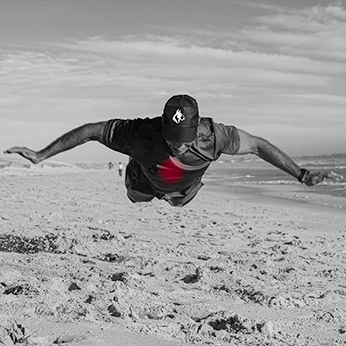
Spot metering measures the light in a very small area of the frame, typically around 1-5% of the viewfinder area. This mode is ideal for situations where you need precise control over the exposure, such as when photographing subjects in challenging lighting conditions. For example, if you are shooting a backlit subject, spot metering can help you expose correctly for the subject without overexposing the background.

Center-Weighted Metering
Center-weighted metering gives priority to the light in the center of the frame while still considering the light in the surrounding areas. This mode is useful when your subject is in the center of the frame, and you want to ensure that it is properly exposed, even if the background is much brighter or darker.
Partial Metering
Partial metering is similar to spot metering but covers a slightly larger area, usually around 10-15% of the frame. This mode is useful when the subject occupies a significant portion of the frame, but you still want to prioritize it over the background.
When to Use Each Metering Mode
Matrix/Evaluative Metering: Use this mode for general photography, especially in evenly lit scenes where you want the camera to do most of the work in determining the exposure.
Center-Weighted Metering: This mode is ideal for portraits or any situation where the subject is in the center of the frame, and you want to ensure it is properly exposed.
Spot Metering: Use spot metering for high-contrast scenes or when your subject is small and surrounded by areas of differing brightness. This mode is also useful in challenging lighting conditions, such as backlit subjects.
Partial Metering: Choose this mode when your subject occupies a larger portion of the frame, and you want more control over the exposure than matrix metering provides but with less precision than spot metering.
Tips for Effective Metering
- Understand Your Scene: Before selecting a metering mode, assess the lighting conditions and the placement of your subject. Determine whether the scene has even or uneven lighting and whether the subject is the primary focus.
- Use Exposure Compensation: If the camera’s metering system isn’t giving you the results you want, use the exposure compensation feature to adjust the exposure manually. This is particularly useful in tricky lighting situations.
- Practice Different Modes: Spend time experimenting with the different metering modes in various lighting conditions. Understanding how each mode affects exposure will give you greater control over your photography.
- Check the Histogram: After taking a shot, check the histogram on your camera’s display. This graph shows the distribution of light in your image and can help you determine if your exposure is balanced.
Conclusion
Metering is a powerful tool that, when used correctly, can greatly improve your photography. By understanding the different metering modes and when to use them, you can ensure that your images are well-exposed, with the right balance of light and shadow. Whether you’re shooting landscapes, portraits, or action shots, mastering metering will help you capture the perfect shot every time.
Special thanks to Berber sport wear.
Images used for illustration were taken during a photoshoot for the launch of some of their products