
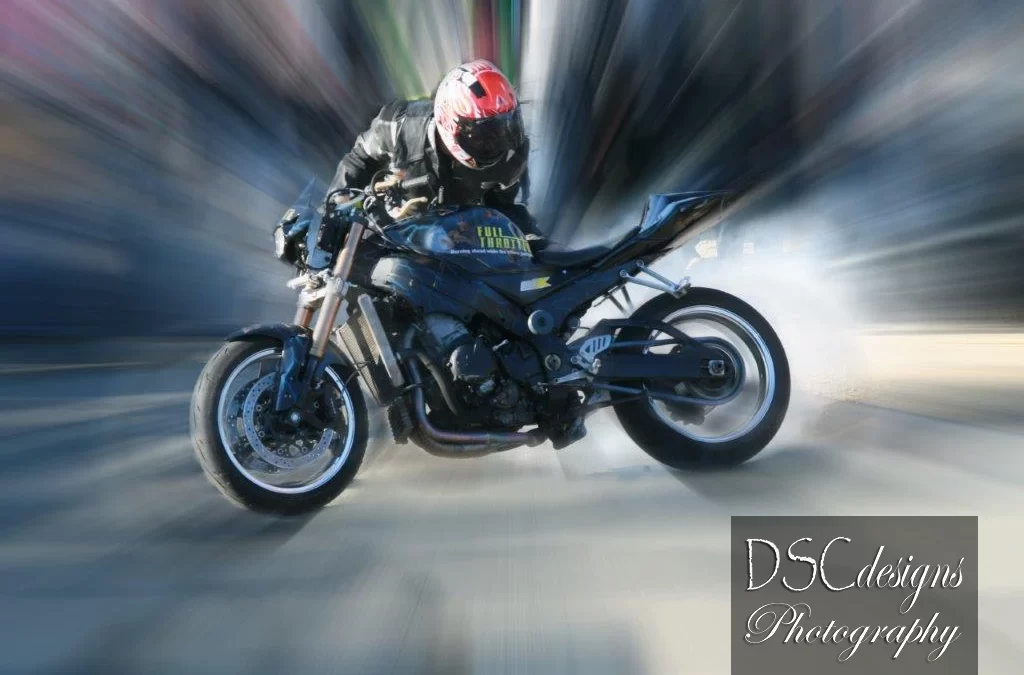
Shutter speed is one of the three key components of the exposure triangle, alongside ISO and aperture. It plays a crucial role in determining how an image is captured, specifically influencing the motion, brightness, and overall sharpness of the photograph. In this article, we’ll delve into the intricacies of shutter speed, exploring how it works and its impact on your images.
What is Shutter Speed?
Shutter speed refers to the length of time the camera’s shutter remains open to allow light to hit the sensor. Measured in seconds or fractions of a second (e.g., 1/1000, 1/250, 1/30, etc.), it determines how long the camera’s sensor is exposed to light.
Fast Shutter Speeds (e.g., 1/1000, 1/2000):
These are typically used in bright conditions or when capturing fast-moving subjects. A fast shutter speed freezes motion, resulting in a sharp image.

Slow Shutter Speeds (e.g., 1/30, 1/15, 1 second or longer):
These allow more light to hit the sensor, making them suitable for low-light conditions. However, they also result in motion blur, which can either be an unwanted effect or used creatively.

How Shutter Speed Affects an Image
Motion Blur:
Fast Shutter Speed: When capturing a subject in motion, a fast shutter speed freezes the action, eliminating motion blur. This is ideal for sports, wildlife, or any scene where the subject is moving quickly.
Slow Shutter Speed:
A slower shutter speed captures the movement of the subject, creating motion blur. This can be used artistically to convey a sense of speed or fluidity, such as in waterfall photography or light trails in night photography.
Exposure:
Fast Shutter Speed:
Less light reaches the sensor, resulting in a darker image. This may require compensating with a wider aperture or a higher ISO to achieve a properly exposed image.
Slow Shutter Speed:
More light is allowed into the camera, which brightens the image. This is useful in low-light situations, but care must be taken to avoid overexposure, especially in bright environments.
Camera Shake:
Fast Shutter Speed:
Minimizes the effect of camera shake, ensuring sharp images even when shooting handheld.
Slow Shutter Speed:
Increases the likelihood of camera shake, which can result in a blurry image. Using a tripod or stabilizing the camera is essential when shooting with a slow shutter speed.
Practical Applications of Shutter Speed
Freezing Action:
In sports photography, a shutter speed of 1/500 or faster is commonly used to freeze fast-moving subjects like athletes or animals in motion.
Creating Motion Blur:
For artistic effects, such as capturing the smooth flow of water in a river or the dynamic movement of clouds, slower shutter speeds of 1/15 or longer are employed.
Low-Light Photography:
In dim lighting, a slow shutter speed allows more light to reach the sensor, making it possible to shoot in conditions where a fast shutter speed would result in an underexposed image.
Balancing Shutter Speed with ISO and Aperture
Shutter speed does not work in isolation, it must be balanced with ISO and aperture to achieve the desired exposure. For instance, increasing the shutter speed (which darkens the image) may require widening the aperture or raising the ISO to compensate. Conversely, a slower shutter speed (which brightens the image) might necessitate lowering the ISO or narrowing the aperture to avoid overexposure.
Conclusion
Mastering shutter speed is essential for controlling motion and exposure in your photography. By understanding the relationship between shutter speed, ISO, and aperture, you can take full control of your camera and create images that are not only well-exposed but also convey the intended sense of motion or stillness.