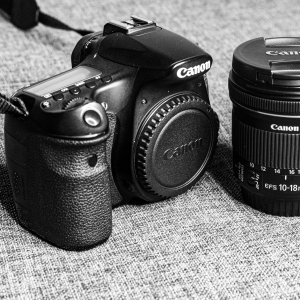

Here’s an article describing the basic components of a digital camera:
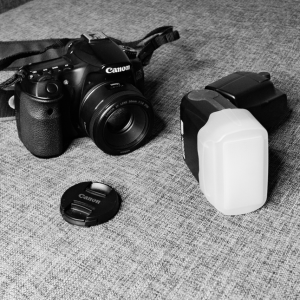
Understanding Your Digital Camera: The Core Components
Whether you’re a beginner or looking to refresh your knowledge, understanding the basic components of a digital camera is crucial for mastering photography. Let’s explore the three main parts that work together to create your images: the camera body, the lens, and the flash.
1. The Camera Body
The camera body is the heart of your digital camera. It houses several critical components:
– Image Sensor: This is where the magic happens. The sensor captures light and converts it into digital data, creating your image.
– Processor: Think of this as the camera’s brain, processing the data from the sensor into a viewable image.
– LCD Screen: This allows you to view your images, adjust settings, and frame your shots in live view mode.
– Viewfinder: On many cameras, this lets you compose your shot by looking directly through the lens.
– Controls: Buttons, dials, and menu systems that allow you to adjust settings and operate the camera.
– Memory Card Slot: Where you insert the card that stores your images.
– Battery Compartment: Houses the power source for your camera.
2. The Lens
The lens is your camera’s eye. It focuses light onto the image sensor to create your photograph. Key aspects of a lens include:
– Focal Length: Determines the angle of view and magnification. Wide-angle lenses capture a broader scene, while telephoto lenses zoom in on distant subjects.
– Aperture: The opening in the lens that controls how much light enters the camera. It also affects depth of field.
– Focus Ring: Allows manual adjustment of focus.
– Zoom Ring (on zoom lenses): Lets you adjust the focal length.
Some cameras have fixed lenses, while others allow you to change lenses for different photographic needs.
3. The Flash
The flash provides additional light when needed. It comes in two main forms:
– Built-in Flash: Many cameras have a small flash unit that pops up from the camera body. While convenient, it has limitations in terms of power and direction.
– External Flash: These attach to the camera’s hot shoe (a mounting point usually on top of the camera). They offer more power, flexibility in direction, and often more advanced features than built-in flashes.
Understanding how these components work together is key to taking control of your photography. The camera body processes the image, the lens shapes how light enters the camera, and the flash provides extra light when needed. As you become more familiar with each part, you’ll gain greater control over your final images.
In our next lesson, we’ll dive deeper into how to use these components effectively to create stunning photographs. Stay tuned!